Hormones play an essential role in women’s health, influencing menstrual cycles, metabolism, mood, sleep, skin, hair growth, and reproductive function. When hormone levels become too high or too low, they can affect several aspects of daily life. Although occasional hormonal fluctuations are normal, persistent or unusual symptoms may indicate an underlying medical condition that needs attention.
If you are experiencing unexplained weight changes, irregular periods, persistent fatigue, or skin and hair problems, understanding the possible signs of hormonal imbalance is an important first step. Women looking for hormonal imbalance treatment in Chandigarh can consult an endocrinologist to identify potential causes and explore appropriate treatment options.
At EKA Healthcare, Dr. Jasmeet Kaur, MBBS, MD Internal Medicine (PGI Chandigarh), DM Endocrinology (PGI Chandigarh), provides specialised care for endocrine and metabolic conditions.

What Is Hormonal Imbalance in Women?
Hormonal imbalance occurs when one or more hormones are not at appropriate levels for the body’s needs. Hormones such as oestrogen, progesterone, thyroid hormones, insulin, and androgens regulate many important bodily functions.
Conditions such as polycystic ovary syndrome (PCOS), thyroid disorders, insulin resistance, and certain reproductive or adrenal disorders may contribute to hormonal symptoms. Natural life stages, including puberty, pregnancy, perimenopause, and menopause, can also involve hormonal changes.
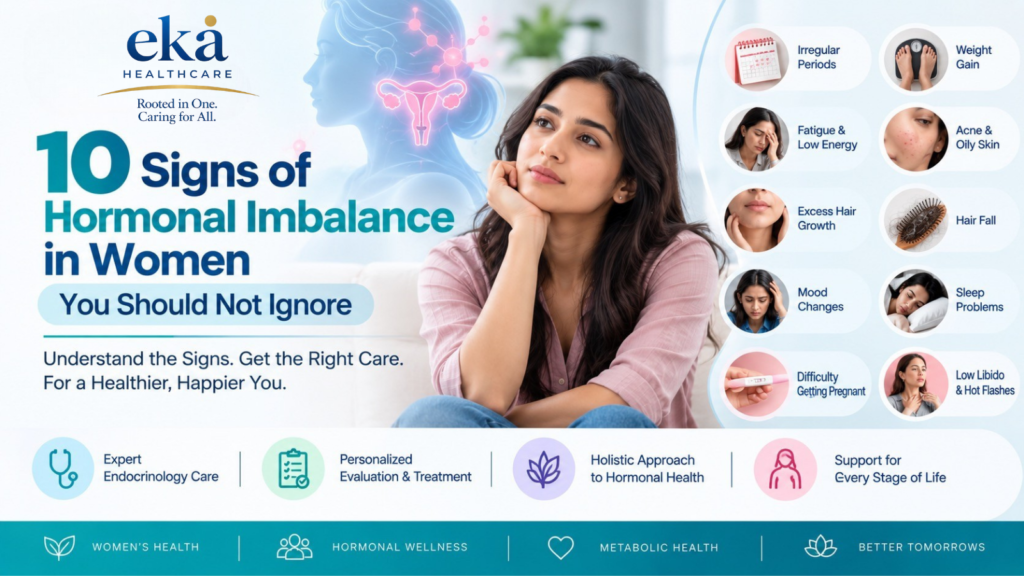
Here are 10 signs of hormonal imbalance in women that should not be ignored.
1. Irregular or Missed Periods
Menstrual cycles can vary naturally, but consistently irregular periods, unusually long gaps between periods, or missed periods may indicate a hormonal concern.
Possible causes include PCOS, thyroid disorders, stress, significant weight changes, and other medical conditions. Pregnancy can also cause a missed period.
If your periods become persistently irregular or stop unexpectedly, consult a healthcare professional for an appropriate evaluation.
2. Unexplained Weight Gain or Difficulty Losing Weight
Unexplained weight gain or difficulty managing weight may sometimes be associated with hormonal or metabolic conditions.
Hypothyroidism can slow several body processes, while insulin resistance may contribute to metabolic difficulties. PCOS can also be associated with insulin resistance and weight-management challenges.
However, weight changes can have many causes, including dietary patterns, sleep, medications, and physical activity. A medical assessment can help determine whether hormones are contributing.
3. Persistent Fatigue and Low Energy
Feeling tired despite adequate rest may be associated with thyroid dysfunction, blood sugar abnormalities, anaemia, sleep problems, or other health conditions.
Hypothyroidism, in particular, can cause fatigue, sluggishness, and difficulty concentrating. Persistent tiredness should not automatically be attributed to hormones, especially when it interferes with everyday activities.
A doctor may recommend appropriate blood tests based on your symptoms and medical history.
4. Acne and Oily Skin
Persistent acne, particularly around the chin and jawline, may sometimes be associated with increased androgen activity.
Women with PCOS may experience acne alongside irregular periods or excessive facial hair. However, acne can also result from genetics, skincare products, medications, and other factors.
If acne develops suddenly, becomes severe, or occurs with menstrual changes, a medical evaluation may help identify the underlying cause.
5. Excess Facial or Body Hair
Increased hair growth on the chin, upper lip, chest, or abdomen may be associated with elevated androgen levels, a group of hormones that includes testosterone.
PCOS is one possible cause, although other conditions may also contribute. A sudden increase in coarse facial or body hair, especially when accompanied by a deeper voice or other rapid physical changes, requires prompt medical assessment.
6. Hair Thinning or Excessive Hair Fall
Hormonal changes can contribute to hair thinning or changes in hair growth patterns. Thyroid disorders and androgen-related conditions may play a role in some women.
Nevertheless, hair fall can also be associated with iron deficiency, nutritional deficiencies, stress, recent illness, or scalp conditions.
If hair loss is persistent, worsening, or accompanied by other hormonal symptoms, consult a doctor rather than relying solely on cosmetic treatments.
7. Mood Changes, Anxiety, or Irritability
Hormonal fluctuations can influence mood and emotional well-being. Some women experience mood changes before menstruation, during pregnancy, or throughout perimenopause.
However, anxiety, irritability, and low mood are not specific to hormonal imbalance. Stress, sleep deprivation, mental health conditions, and other medical issues can cause similar symptoms.
Seek professional advice if mood changes persist, affect relationships or work, or interfere with daily life.
8. Sleep Problems
Difficulty falling asleep, waking frequently during the night, or experiencing disrupted sleep may occur during periods of hormonal change.
For example, hot flashes and night sweats associated with perimenopause or menopause can interrupt sleep. Thyroid disorders and stress may also contribute to sleep disturbances.
Persistent sleep problems deserve attention because poor sleep can affect mood, energy, concentration, and metabolic health.
9. Difficulty Getting Pregnant
Hormones regulate ovulation and several processes involved in reproduction. Conditions such as PCOS and thyroid dysfunction can sometimes interfere with regular ovulation and fertility.
If you have been trying to conceive without success, a healthcare professional can assess your menstrual history and recommend appropriate investigations. Fertility evaluation may involve both partners, depending on the circumstances.
Early assessment can help identify treatable conditions and guide the next steps.
10. Changes in Libido, Vaginal Dryness, or Hot Flashes
Changes in sexual desire, vaginal dryness, and hot flashes may occur with hormonal fluctuations, particularly during perimenopause and menopause.
Other factors, including medications, stress, relationship concerns, and certain medical conditions, can produce similar symptoms.
If these changes are persistent or uncomfortable, discuss them with a qualified healthcare professional to understand the possible causes and available management options.
How Is Hormonal Imbalance Diagnosed?
There is no single test that detects every hormonal imbalance. Diagnosis usually begins with a review of symptoms, menstrual history, medical conditions, medications, and physical examination.
Depending on the suspected cause, a doctor may recommend thyroid function tests, blood glucose testing, or selected reproductive hormone investigations. Additional tests may be considered when clinically indicated.
Hormone tests should be chosen according to the patient’s symptoms and circumstances rather than performed indiscriminately.
Hormonal Imbalance Treatment in Chandigarh at EKA Healthcare
Treatment depends on the underlying condition. It may involve medication, lifestyle modifications, nutritional guidance, management of thyroid or blood sugar disorders, or condition-specific treatment for PCOS and other endocrine conditions.
There is no universal treatment for hormonal imbalance. A personalised plan helps address the actual cause instead of focusing only on individual symptoms.
If you are searching for a hormonal imbalance doctor in Chandigarh, PCOS specialist in Chandigarh, or endocrinologist in Chandigarh, EKA Healthcare offers specialised endocrine care under Dr. Jasmeet Kaur.
Book a Consultation
Dr. Jasmeet Kaur\
MBBS, MD Internal Medicine (PGI Chandigarh)\
DM Endocrinology (PGI Chandigarh)
EKA Healthcare\
SCO-230, Sector 40-D, Chandigarh
- Consultation hours: Monday–Saturday, 10 AM–5 PM
- Appointments: Prior appointment required
- Call: +91-7986269709
- WhatsApp: +91-7717489629
- Email: contact@ekahealthcare.com
Persistent hormonal symptoms should not be ignored or self-diagnosed. Consult a qualified healthcare professional to understand your symptoms and receive appropriate care.